Expert Advice to Help You Move to New Orleans Without the Stress

New Orleans City Guide: Moving to the Big Easy in 2026
New Orleans, often called the “Crescent City,” is a place where the air is thick with the scent of jasmine and the sound of brass bands. Founded in 1718, it is a city that defies standard American labels, offering a vibrant cultural gumbo of French, Spanish, and African influences. With a metro population currently estimated at roughly 1,039,000 residents in 2026, it remains a bustling hub of activity while maintaining a distinct, small-town community feel.
The city is categorized by a humid subtropical climate, meaning you should prepare for lush, green landscapes and mild winters. New Orleans’ most famous “claim to fame” is undoubtedly its world-renowned Mardi Gras celebration and its status as the birthplace of Jazz. However, those who move to new orleans quickly discover that the city’s true magic lies in its everyday traditions—from the “second line” parades that snake through neighborhoods to the Friday afternoon fish fries. It is a place where history is lived rather than just studied, reflected in the ornate ironwork of the French Quarter and the towering oaks of the Garden District. Whether you are drawn by the creative energy, the legendary food scene, or the relaxed “Laissez les bons temps rouler” (let the good times roll) lifestyle, New Orleans offers a living experience that is as soulful as it is unique.
Ready to Join the Parade?
Transitioning to life in the Big Easy should be as joyful as a Sunday brunch in Mid-City. At Pack it Up Moving, we specialize in making your residential moving services simple and straightforward. We handle the heavy lifting so you can focus on finding your favorite neighborhood po-boy shop. If you are ready to move to new orleans, our team is here to provide the support you need for a smooth transition.
Weather & Climate
When you move to new orleans, your wardrobe needs to be ready for humidity and sudden rain. The city experiences long, warm summers and short, mild winters.
- Spring: Generally the most pleasant time, with temperatures in the 70s and 80s. This is peak festival season.
- Summer: Expect high humidity and temperatures reaching the 90s. Afternoon thunderstorms are a daily occurrence, providing a brief cooling effect.
- Fall: October is often considered the best month, featuring lower humidity and crisp evenings.
- Winter: Rarely reaches freezing. You will mostly need light layers and a reliable raincoat.
Best Time to Move: The most efficient window to move to new orleans is late October through early December. During this time, the summer heat has broken, and you avoid the logistical chaos and road closures associated with the Mardi Gras season (typically January through February). Moving in the spring is also beautiful but requires working around a packed calendar of local events and festivals.
Cost of Living & Housing
For many looking to move to new orleans, the cost of living provides a significant draw. In 2026, the average home value in the city sits around $239,000, though median sales prices can reach near $297,000 depending on the neighborhood. This is notably lower than the national average, making homeownership more accessible here than in many other major U.S. metros.
Renting is also a popular and affordable option. As of April 2026, the average rent in New Orleans is approximately $1,276 per month, which is about 22% lower than the national average of $1,640. You can expect to pay around $1,489 for a two-bedroom apartment. However, be aware that while rent is lower, local costs for groceries are about 11% above the national average.
One critical factor for anyone planning a move to new orleans is insurance. Due to the city’s coastal location, flood and homeowners’ insurance premiums are higher than in most other states. When budgeting for your move, always look beyond the mortgage or rent price and factor in these essential protection costs to get a realistic picture of your monthly expenses.
Economy & Job Market
New Orleans possesses a diverse economy that has evolved far beyond its traditional roots. If you move to new orleans for work, you will likely find opportunities in these three top sectors:
- Healthcare and Social Assistance: This is the city’s largest employment sector, anchored by massive systems like Ochsner Health and LCMC Health.
- Hospitality and Tourism: As a world-class destination, this sector supports tens of thousands of jobs in hotels, restaurants, and event planning.
- Energy and Advanced Manufacturing: The region remains a leader in oil, gas, and renewable energy, alongside specialized manufacturing for the aerospace and maritime industries.
Major local employers include Entergy Corporation, Tulane University, and Boh Bros Construction. If you are relocating for a corporate role, our office relocation services can help your business transition as seamlessly as your home. Commute trends in the city are generally favorable; while rush hour on I-10 can be slow, the average commute time is roughly 24 minutes. The city is also seeing a rise in technology and digital media startups, supported by a growing pool of young professionals and entrepreneurs.
Getting Around
New Orleans is frequently ranked as one of the most walkable cities in the United States. Its flat topography and compact neighborhood layouts make it easy to get from Point A to Point B on foot, especially in historic areas.
- Public Transit: The iconic streetcars are more than just a tourist attraction; they are a vital part of the commute. The New Orleans Regional Transit Authority (RTA) also operates an extensive bus network and ferries.
- Biking: The city has invested heavily in “Safe Streets,” adding miles of protected bike lanes.
- Airports: Louis Armstrong New Orleans International Airport (MSY) is located about 15 miles west of downtown, offering modern facilities and numerous direct flights.
While a car is helpful for grocery runs or trips to the suburbs, many residents find they can live comfortably using a mix of walking, biking, and public transit. If you move to new orleans, you will find that the city’s pace is perfectly suited for a slower, more observational style of travel.
Things to Do in New Orleans
- Stroll Through City Park: This 1,300-acre park offers incredible outdoor recreation like boating, biking, and hiking. It is a premier local landmark featuring the Botanical Garden and Storyland.
- Visit the National WWII Museum: Located in the Warehouse District, this world-class museum is a significant local landmark. It offers immersive exhibits and historical artifacts.
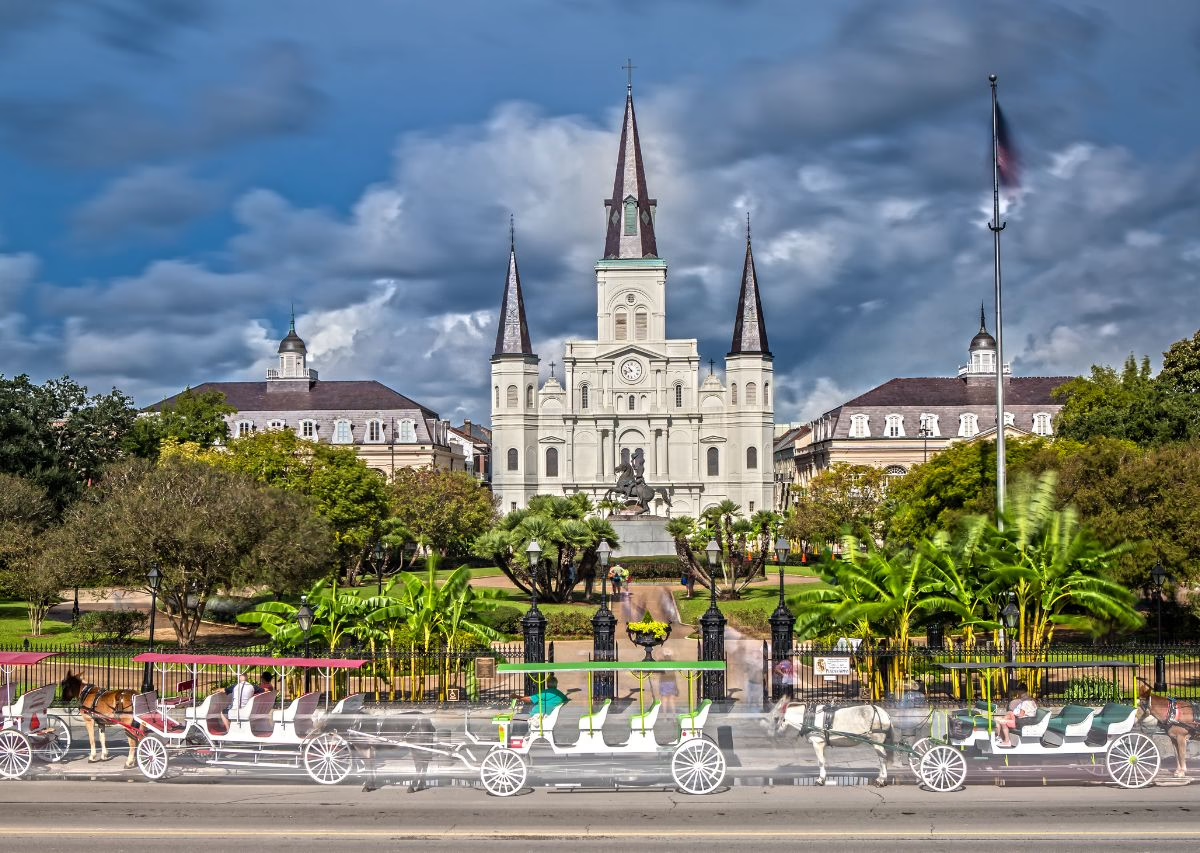
- Explore the French Quarter: Famous for its stunning architecture, this neighborhood is an essential local landmark. You can enjoy outdoor recreation by walking the historic streets.
- Ride the St. Charles Streetcar: This moving local landmark offers a scenic journey under a canopy of ancient oaks. It is an affordable family-friendly activity that connects downtown to the Uptown neighborhoods.
- Visit the Audubon Zoo: Nestled in Uptown, this zoo is a top family-friendly activity. It features exotic animals and lush habitats.
- Tour St. Louis Cemetery No. 1: This historic burial ground is a famous local landmark known for its unique above-ground tombs.
- Kayaking on Bayou St. John: For active outdoor recreation, paddle through this historic waterway. It is a natural local landmark that offers a unique view of city architecture.
- Eat at Café Du Monde: This iconic local landmark is famous for café au lait and beignets. Stopping here is a quintessential family-friendly activity.
- Explore the Louisiana Children’s Museum: Located in City Park, this museum is the ultimate family-friendly activity. It features interactive exhibits focused on the region’s ecology.
- Listen to Music on Frenchmen Street: While Bourbon Street is famous, this local landmark is where the locals go for authentic jazz.
Unique Local Experiences
When you move to new orleans, you gain access to hidden gems that extend well beyond the city limits. Within a 100-mile radius, you can visit the Whitney Plantation, the only museum in Louisiana with an exclusive focus on the lives of enslaved people. This sobering and vital experience provides a necessary perspective on the region’s history.
For nature lovers, the Maurepas Swamp Wildlife Management Area offers a stunning look at the cypress-tupelo swamps that define the Gulf Coast. You can find “hidden gem” airboat tours that take you deep into the wetlands to see alligators and migratory birds in their natural habitat. If you head west toward Lafayette, you can experience the heart of Cajun Country, known for its unique music and spicy cuisine. Another unique spot is the Abita Mystery House in Abita Springs, a quirky folk-art museum that perfectly captures the eccentric spirit of Louisiana.
Professional Moving Tips
Success in your move to new orleans comes down to preparation and timing. The city’s unique geography and older architecture require a specific approach.
- Packing for Humidity: Use plastic bins instead of cardboard for long-term storage to protect your belongings from the damp Gulf air.
- Storage Options: If your new home isn’t ready, choose a climate-controlled storage facility. Standard units can become extremely hot and humid, which may damage wood furniture.
- Specialty Items: If you own a baby grand or upright to fill your new home with jazz, ensure you hire specialized piano movers who understand the logistics of historic New Orleans properties.
- Local vs. Long-Distance: If you are moving from out of state, ensure your long-distance carrier is familiar with the city’s narrow streets. For local moves, hiring a team that knows how to navigate the specific parking regulations and low-hanging oak branches of neighborhoods like the Garden District is essential.
Start Your New Life Today
Are you ready to embrace the rhythm of the Crescent City? Pack it Up Moving is here to ensure your transition is as smooth and simple as possible. We pride ourselves on clear communication and grounded service, helping you get settled so you can start enjoying your new home.
Contact Pack it Up Moving today at 678 334 2601 for a customized quote and let’s get you on the road!
FAQ
October or November are ideal. The weather is cool, humidity is low, and you avoid the traffic delays caused by the Mardi Gras season.
Housing is very affordable compared to the national average, though you should factor in higher insurance rates and slightly higher grocery costs.
While helpful for errands, New Orleans is highly walkable and bike-friendly. Many residents rely on streetcars and buses for their daily commute.
Prioritize light, breathable fabrics and high-quality rain gear. You will rarely need heavy winter coats, but moisture-wicking clothing is a lifesaver in summer.
Yes, particularly in healthcare, tourism, and the energy sector. The city also has a growing community of tech startups and remote workers.