
How to Pack Pots and Pans for Moving: Atlanta’s Expert Guide

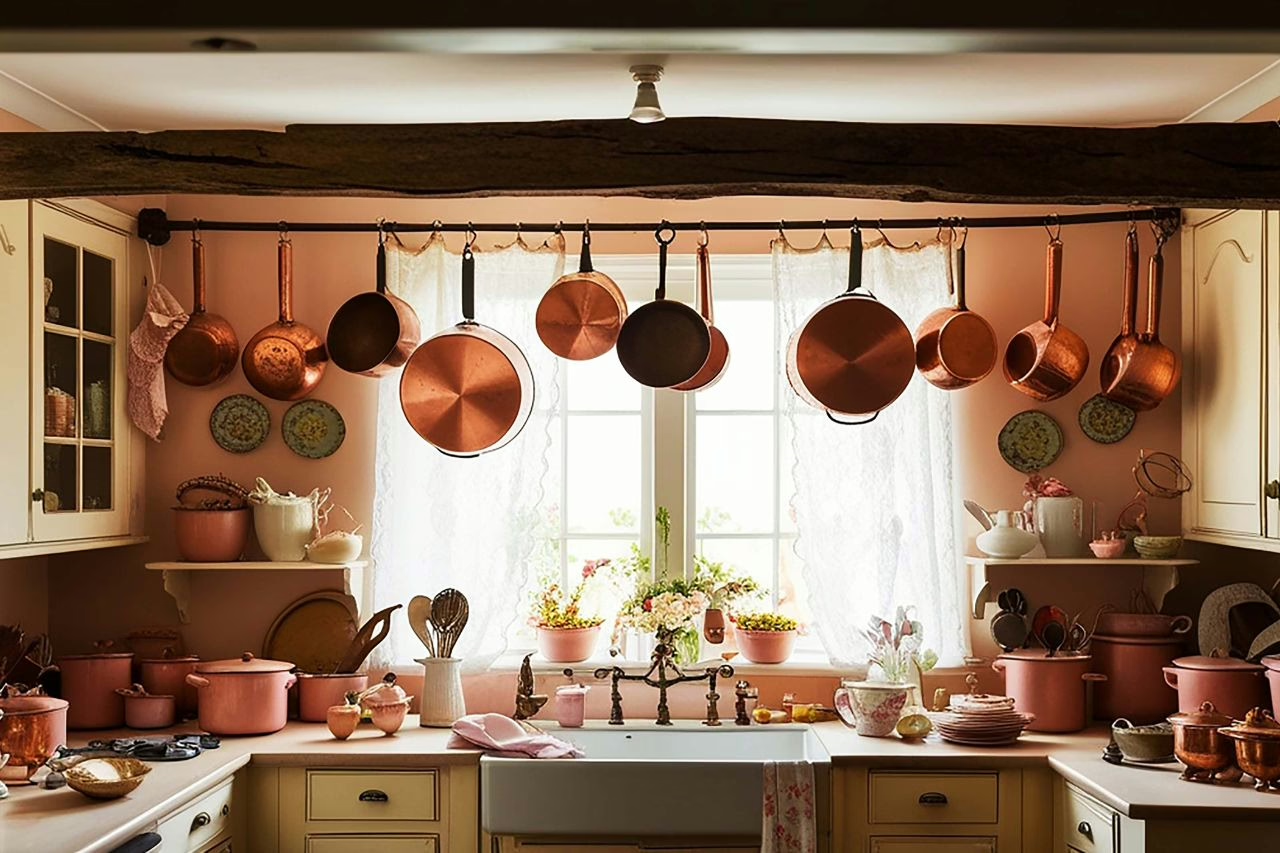
Packing your kitchen is often the most time-consuming and stressful phase of preparing for a move. Pots and pans are essential items that see daily use, but their weight, size, and awkward shapes can make them tricky to handle. Selecting the right strategy and materials helps protect your cookware investment and ensures you are ready to settle in and cook comfortably in your new Atlanta home. Relying on insight from Pack It Up Moving means a smoother, safer relocation—so let’s dive into ways to make your kitchen move as easy as possible.
Preparing Pots and Pans for Packing
Preparing your cookware may seem like a simple first step, but it sets the foundation for a hassle-free move. By cleaning your pots and pans thoroughly, you eliminate the risk of persistent food odors, stains transferring to boxes or other packed kitchen goods, and pests being attracted during transit. Decluttering at this stage gives you an opportunity to sort through your kitchen essentials and lighten your load. Consider donating, selling, or recycling old, rarely used, or duplicate cookware. This streamlines packing and helps you start fresh in your new kitchen, often saving you money on moving expenses by reducing box count and weight.
Gathering Packing Supplies
Having the right packing materials ready before you begin saves time and prevents last-minute dashes to the store. For pots and pans, choose medium or dish pack boxes that are sturdy enough for heavier items—large boxes tend to get overloaded and difficult to move safely. Packing paper is ideal for protecting metal surfaces from scratches. Bubble wrap adds extra padding for fragile or nonstick cookware. Packing peanuts or crumpled paper fill gaps so items don’t bump against each other during the journey. Don’t forget to gather dish towels, oven mitts, or even old t-shirts for extra cushioning. Labeling supplies (markers and tape) will help keep everything organized and ready to unpack in your new kitchen.
Step-by-Step Packing Process
1. Line Boxes for Cushioning
Lining your boxes isn’t just a precaution—it’s your cookware’s best defense against jolts and bumps. Place multiple layers of packing paper, bubble wrap, or packing peanuts at the bottom of every box before adding any items. This pads the heaviest part of the box and absorbs shocks if the box is dropped or moved roughly. For longer moves within or out of Atlanta, extra cushioning can be the key between flawless cookware and dents or dings.
2. Wrap Each Pot and Pan Individually
Treat each pot and pan like a valuable investment. Use packing paper or bubble wrap to wrap every piece separately. Pay close attention to handles, as they’re likely to get bent or broken if left exposed. Tape or tuck all ends securely—loose wrapping leaves your cookware vulnerable to scratching and shifting. If you nest pots and pans together, remember to place a layer of paper or a soft towel between each item. This step is especially important for cookware with nonstick surfaces, which can be easily damaged by direct contact.
3. Stack Strategically
Stacking is all about balance and protection. Put the heaviest pots and pans at the bottom of the box, as they’ll naturally stabilize the load. Lighter items go on top to avoid crushing. You can nest similar-sized pots to save space, with padding between each layer. Don’t go higher than three nested pans per box, or the stack becomes difficult to maneuver and more prone to tipping during the move. Overpacked boxes are more likely to break, slow down your movers, and increase the risk of injury or accidents.
4. Separate and Protect Glass Lids
Glass or other fragile lids are among the most delicate kitchen items to move. Always remove lids from pots and wrap them individually with several layers of packing paper or bubble wrap—the more fragile or heavy the lid, the more protection it needs. For extra cautious moves, use dish towels for padding or store the lids in a separate “fragile/kitchen” labeled box. This reduces the risk of breakage and makes reassembling cookware easy when unpacking in your new Atlanta kitchen.
5. Fill Empty Spaces
No matter how well you wrap your cookware, leaving empty spots in a box invites problems. Unfilled spaces allow pots and pans to knock together, leading to chips in enamel, dings, or loosened handles. Stuff packing peanuts, crumpled paper, or soft textiles into every gap. Kitchen towels and oven mitts can serve double-duty as padding, while ensuring the contents remain as still as possible, even if your moving truck encounters Atlanta’s infamous potholes or traffic stops.
6. Seal and Label Boxes
Properly sealing each box keeps contents secure and boxes sturdy during handling and stacking. Run moving tape over seams and corners for added strength, especially for heavier boxes. Clearly label each box on the top and one or two sides. Write “kitchen—pots and pans,” and note “heavy—fragile lids” as applicable. Good labeling speeds up unloading, helps movers place boxes in the correct room, and streamlines your post-move kitchen setup so you can start cooking sooner.
Local Atlanta Moving Insights
Moving in Atlanta presents challenges like older apartment stairs, steep driveways, or busy high-rises. Using midsized boxes is crucial—they’re easier to fit in small elevators and carry up narrow stairs. Plan to pack your kitchen a few days before loading the truck, leaving out a single pot and pan for last-minute cooking needs. If you’re trimming down kitchen supplies, Atlanta’s donation centers and recycling drop-offs are accessible ways to rehome your old cookware while supporting local causes and reducing landfill waste.
Common Packing Mistakes to Avoid
Many people overlook details that can lead to damaged cookware or frustrating unpacking. Packing dirty pots means you’re starting in a new home with residue and smells. Overstuffing large boxes can make them too heavy, risking strain or breakage. Nesting glass lids inside pots without wrapping leads to chips and cracks. Skipping cushioning is a sure way to end up with scratched or dented items. And if you forget to label, you might be digging through boxes for days, searching for kitchen basics instead of preparing your favorite Atlanta meal.
Pack It Up Moving’s Kitchen Packing Services
When time is tight, or you want every item 100% protected, let Pack It Up Moving’s professional team handle the wrapping, boxing, and transport. Our local Atlanta crews are trained to pack all kitchenware efficiently, use correct materials, and arrange your boxes for optimal protection in transit. With years of experience, our experts ensure your cookware and other essentials arrive undamaged, saving you time, hassle, and possible costly replacements.
Frequently Asked Questions
Packing paper and bubble wrap provide a strong defense against dings and scratches. Lining the box bottom and wrapping each pan individually ensures impact protection. Add kitchen towels for extra padding, especially with fragile lids, so everything arrives in perfect shape after your Atlanta move.
Yes—always pack glass and fragile lids separately for safety. Wrap them securely, using bubble wrap or dish towels, and keep them in a clearly labeled box. This will prevent chips and cracks, making it easy to reunite cookware sets during the kitchen setup at your new residence.
Professional packers, like those at Pack It Up Moving, bring the right materials, expertise, and efficient packing systems. They wrap items, choose appropriately sized boxes, fill voids for stability, and organize everything for quick unpacking. Their experience reduces the risk of damage, making your move stress-free and helping you jump back into your Atlanta lifestyle with ease.
Ready for a hassle-free move? Trust Pack It Up Moving to professionally pack and relocate your pots, pans, and kitchen essentials for a seamless Atlanta relocation